Oh hey,
I’m 

I'm a paediatric speech pathologist who believes communication starts with connection — and that every child, teen and young adult deserves support that celebrates who they already are.


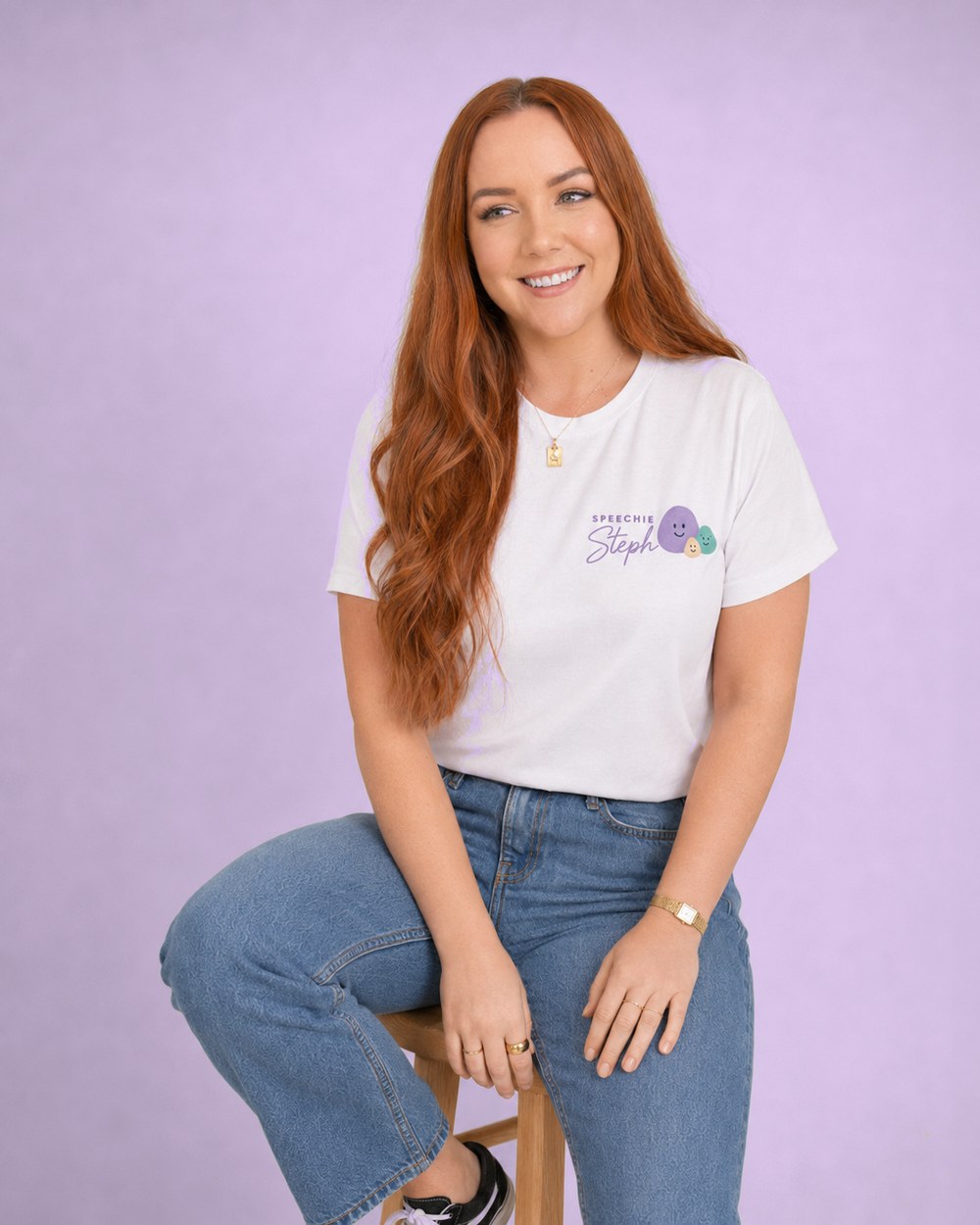
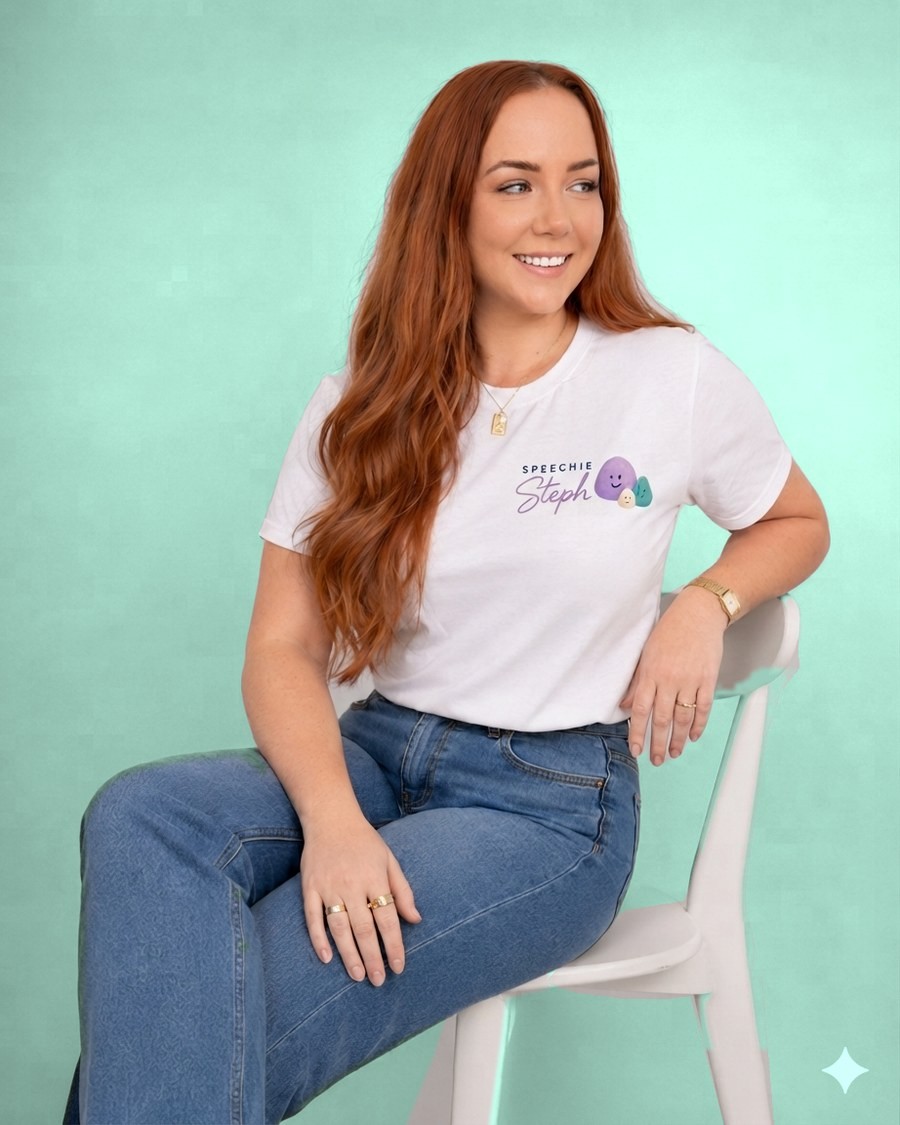
A bit about me
Hi, I'm Steph, the speech pathologist behind Speechie Steph.
I work with toddlers through young adults, supporting communication in the places that matter most, at home, with the people you love around you. My approach is neuroaffirming and strengths-based, which means we start with what you can already do and build from there, rather than focusing on what's “wrong.”
As a neurodivergent speech pathologist, I bring both clinical training and lived experience to my work. I understand that communication looks different for everyone, and that difference isn't something to fix. My role is to help you or your child communicate in ways that feel authentic, confident, and connected, whatever that looks like for you.
The practical bits, so you know you're in safe hands:
- Member of Speech Pathology Australia
- Current Working with Children Check
- Fully insured — professional indemnity & public liability
- Welcoming NDIS self-managed & plan-managed families
Neuroaffirming and strengths-based — not just buzzwords.
Being neuroaffirming means I don't see communication differences as problems to fix. All communication is valid — spoken words, AAC, gestures, signs, sounds — and my job is to help each person build on the ways that work for them.
Being strengths-based means we start with what your child already loves and does well, and grow from there. Sessions should feel safe, playful and worth showing up for — connection always comes before goals.

Connection first
Trust and safety come before anything else. We go at your child's pace, always.
Strengths, not deficits
We build on interests and abilities that are already there — because they're the best foundation.
Families as partners
You know your child best. We plan together, and you're part of every step.
Areas of interest.
Early Language Intervention
Supporting communication development in the toddler and preschool years, when foundations for language are forming fast. Early support can make a big difference, and it's never about rushing a child, it's about meeting them where they are.
AAC (Augmentative and Alternative Communication)
For clients who communicate with some, or all, of their words in ways other than speech. This might include picture systems, sign, communication devices, or apps. Every communication method is valid, and AAC doesn't replace speech, it supports it.
Assistive Technology
Exploring tools and tech that make communication, learning, and daily life more accessible, from communication apps to low-tech supports.
Speech
Speech is about how we physically produce sounds and words. Some people find certain sounds tricky to say (speech sound disorders), and others have difficulty planning and coordinating the movements speech requires (motor speech difficulties, including conditions like childhood apraxia of speech). As speech pathologists, we support the physical side of talking, helping sounds and words come out the way you intend them to.
Fluency
Fluency is about the flow of speech, how smoothly words and sounds come out. Some people experience stuttering or other disruptions to that flow. Support here isn't about “fixing” the way someone talks, it's about building confidence, reducing tension or frustration around speaking, and exploring strategies that work for the individual, always respecting that fluency looks different for everyone.
Language
Language is different from speech. It's about understanding and using words, sentences, and ideas, whether that's following instructions, understanding what's being said to you, finding the right words to express yourself, or telling a story that makes sense to someone else. Support here might look like building vocabulary, understanding longer or more complex instructions, or organising thoughts to share with others.
Communication, Connection & Self-Expression
This is about exploring how we each prefer to communicate and connect with others, and building confidence in that. It might include self-advocacy, understanding and expressing thoughts, feelings and opinions, and finding communication styles that feel authentic, including in relation to gender expression and neurodivergent identity.
We also spend time exploring how neurodivergent communication styles can be understood and valued within a society that's largely built around neurotypical expectations, so that connection feels genuine rather than like masking or code-switching to fit in.

Representation you can actually see.
The illustrated characters across this site were drawn deliberately to reflect who our kids, teens and young adults really are — wheelchair users, AAC users, hearing aids, visible and invisible disability, different bodies and styles. They'll star in the resource library as it grows.
Meet them on the Resources page →Wondering if we'd be a good fit?
Reach out for a no-pressure chat about what's going on and how I might be able to help.